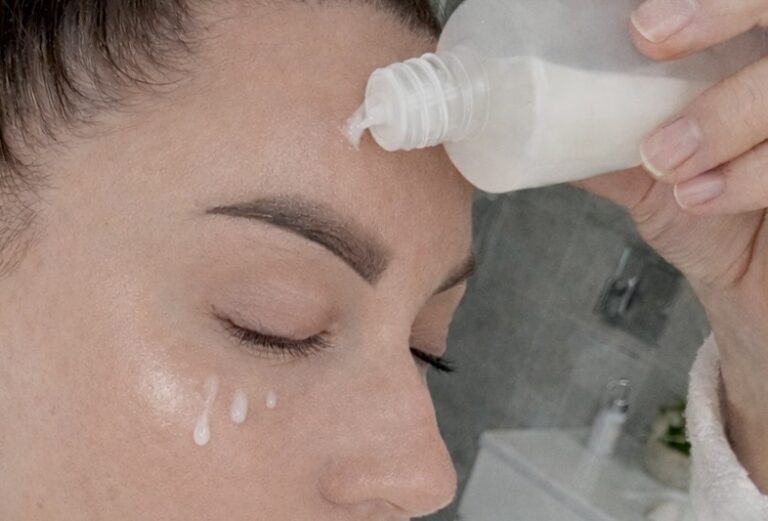
5 Summer Skincare Habits for Healthy Glowing Skin
Heat, humidity, sweat, sunscreen buildup, and UV exposure all place extra stress on your skin barrier during summer. That extra stress often shows up as dullness, dehydration, congestion, breakouts, or more reactive skin.
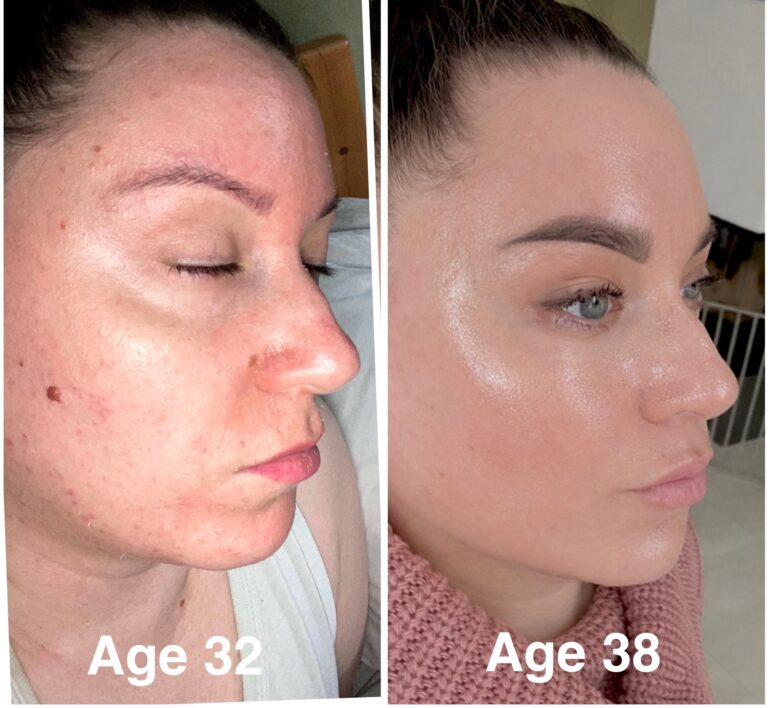
The good news is that healthy glowing summer skin usually doesn’t come from using more products. It comes from supporting your skin barrier consistently with the right summer skincare habits.
More rest. More hydration. More time outside. More moments that help you feel calm and balanced. Healthy-looking skin often reflects those habits too.
Summer Skincare Habits at a Glance
| Habit | Why it matters |
| Gentle cleansing | Removes sweat and SPF without damaging the barrier |
| Broad-spectrum SPF | Protects against UVA and UVB damage |
| Barrier-support hydration | Helps reduce dehydration and irritation |
| Fewer active ingredients | Prevents unnecessary barrier stress |
| Consistent evening routine | Supports overnight skin recovery |
Why does my skin break out more in summer?
Summer breakouts are often caused by a combination of sweat, excess oil production, sunscreen buildup, heat, and increased skin irritation.
In many cases, the solution isn’t stronger skincare. It’s better cleansing, barrier support, and a simpler routine that your skin can tolerate consistently.
1. A Simpler Summer Skincare Routine Supports Your Skin Barrier
For sensitive summer skin, simplifying your routine is often more effective than adding more.
A gentle cleanser, a barrier-supportive moisturizer with ceramides and hyaluronic acid, and broad-spectrum SPF became the foundation of my summer skincare routine. Everything else — vitamin C, niacinamide, light exfoliation — gets added in only when my skin is calm and stable.
The research backs this up: heat, humidity, UV exposure, and sweat all place ongoing stress on your skin barrier. Layering aggressive actives on top of that stress compounds the damage.
Fewer products, chosen well, give your barrier the space to actually function.
What if your skin needs less, not more?
Summer can be a good reminder that consistency often works better than complexity.
Less Can Be More
✅ fewer products
✅ healthier barrier
✅ less irritation
✅ more consistent results
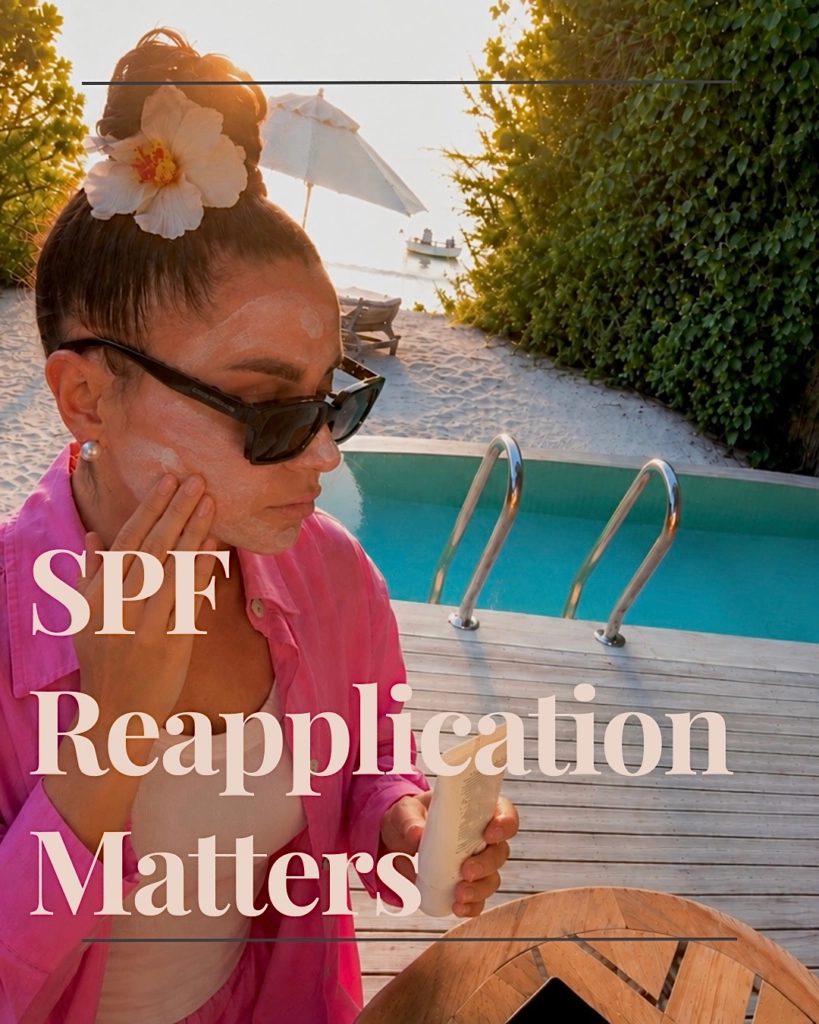
2. Why SPF Reapplication Matters in a Summer Skincare Routine
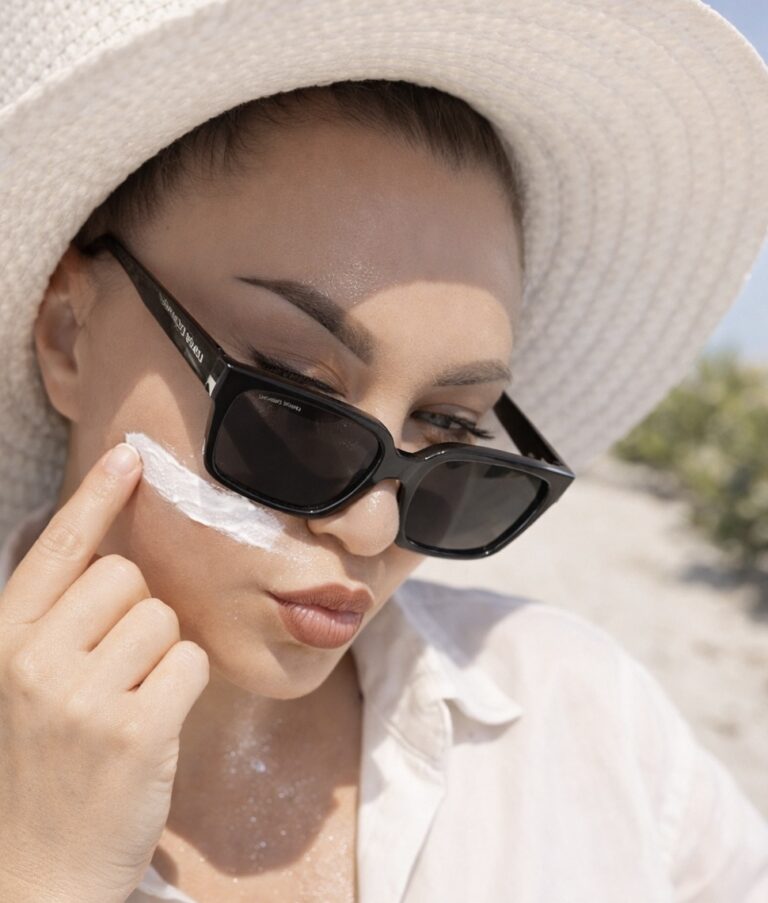
Many people apply sunscreen once in the morning and assume their skin stays protected all day. But SPF protection gradually breaks down throughout the day — especially during heat, sweat, and outdoor exposure. Using an SPF format that feels easy to reapply often makes consistency much more realistic long term.
Here’s what I wish I’d understood earlier: SPF only tells you about UVB protection — the rays that cause sunburn. UVA rays, which cause hyperpigmentation, collagen breakdown, and long-term skin aging, aren’t covered by the SPF number alone.
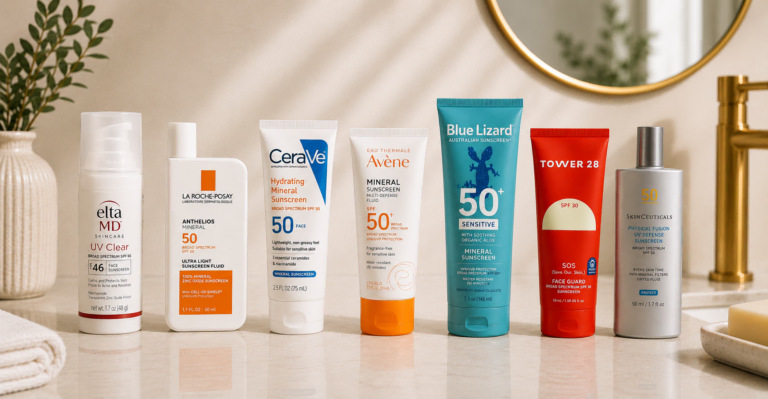
You need a broad-spectrum SPF formula that protects against both UVA and UVB rays. Mineral sunscreens help protect against both UVA and UVB rays by reflecting and absorbing UV radiation.
According to the American Academy of Dermatology, broad-spectrum SPF 30 or higher should be reapplied every two hours during outdoor sun exposure.
When Should You Reapply SPF?
| Situation | Recommendation |
| Indoors most of the day | Morning application is usually enough |
| Outdoor activities | Every 2 hours |
| Swimming | Immediately afterward |
| Heavy sweating | Reapply |
It’s really important that in summer, your bag isn’t just packed with the everyday basics — like your ID, lip balm, hairbrush, or tampons — but also a sunscreen cream or mist you can easily reapply throughout the day.
Why does my skin get darker even when I wear sunscreen?
Many people assume sunscreen completely blocks UV exposure, but no sunscreen provides 100% protection. Insufficient application, lack of reapplication, and prolonged sun exposure can all contribute to tanning and pigmentation. Consistent use of a broad-spectrum SPF and regular reapplication usually make the biggest difference.
3. Summer Skin Hydration Starts with Barrier Support
Drinking water is important, but it doesn’t directly translate into plumper skin — the skin is the last organ to receive hydration from what you consume.
If your skin feels tight, dehydrated, or irritated during summer, barrier-supportive hydration usually helps more than adding heavier products.
Hydrating ingredients like hyaluronic acid, glycerin, and ceramides help support moisture retention without overwhelming summer-sensitive skin. On especially hot days or after sun exposure, calming ingredients like centella asiatica may help reduce visible irritation and heat-related redness.
After beach or pool time — both of which actively disrupt the barrier through chlorine, salt, and UV exposure — I switch to a slightly richer evening moisturizer to repair overnight.
If your skin feels tight or dehydrated by the end of summer days, your barrier may already be stressed rather than simply “dry.”
Not Sure Whether Your Skin Is Just Dehydrated or Your Skin Barrier Is Damaged?
Take my free Skin Barrier Quiz below to better understand what your skin may be telling you before changing your routine.
Why does my skin feel worse in summer?
Heat, sweat, UV exposure, air conditioning, pool chlorine, and sunscreen buildup can all place additional stress on your skin barrier. For many people, summer skin problems are actually barrier-support problems rather than a lack of skincare products.
Why does my skin feel oily and dehydrated at the same time?
This is surprisingly common during summer.
Heat can increase oil production while UV exposure, air conditioning, and barrier stress increase water loss. As a result, skin can feel both oily and dehydrated at the same time.
Summer Habits That Support Healthy-Looking Skin
Some of the habits that make the biggest difference to my skin have very little to do with skincare products.
Summer is often when I try to slow down a little and focus on habits that help me feel more balanced overall.
- Spend time outdoors in the morning before the strongest sun.
- Move your body in a way that feels enjoyable.
- Make time for a hobby you genuinely enjoy.
- Rest when your body feels tired.
- Stay hydrated throughout the day.
- Protect your peace from constant overstimulation.
- Prioritize sleep whenever possible.
One thing I’ve learned is that healthy-looking skin rarely comes from constantly doing more.
Sometimes it comes from slowing down, resting more, and creating habits that help both your skin and your overall wellbeing feel supported.
None of these habits create perfect skin overnight, but together, they help create the kind of balance that healthy-looking skin often reflects.
4. Summer Skincare Ingredients That Often Irritate Sensitive Skin
Not all actives are equal in summer, and being specific matters more than general advice to “avoid strong ingredients.”
If your skin becomes more reactive during summer, scaling back certain actives often helps restore balance faster.:
- High-percentage retinol used nightly. Retinol increases photosensitivity during UV exposure, which is why SPF becomes even more important in summer.
- Physical scrub exfoliants. Heat causes low-level inflammation in the skin even when you can’t see it. Friction makes it worse. I switch to a gentle enzyme exfoliant once a week.
- Heavy facial oils as a daytime step. In humidity, they sit on top of the skin and contribute to congestion. I move oil use to evenings only.
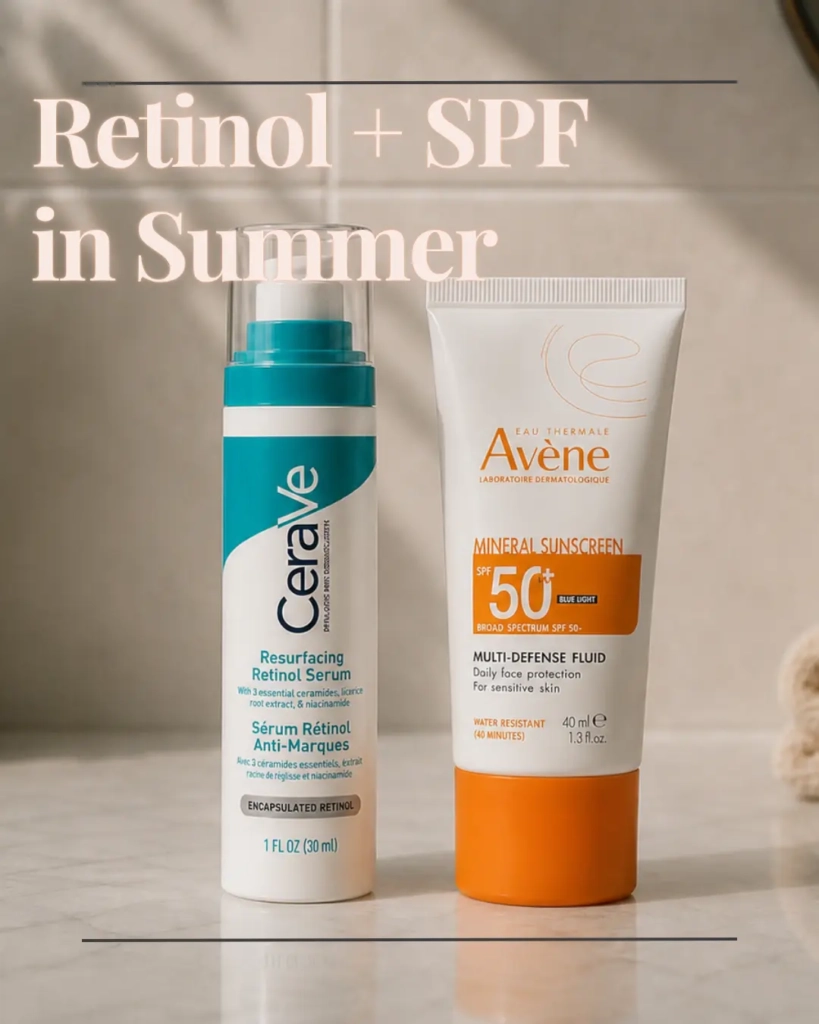
Instead, summer-sensitive skin often responds better to::
- A low-percentage vitamin C serum in the morning, layered under SPF, to neutralize free radical damage from UV exposure.
- Centella asiatica — as a toner or light serum — on reactive or sun-stressed days. Consistently underrated for summer skin.
- Niacinamide in the evening for barrier support and pore balance without disrupting summer-sensitive skin.
Should I change my skincare routine in summer?
Usually, yes. Summer skin often benefits from lighter textures, fewer active ingredients, and a stronger focus on hydration, barrier support, and daily SPF protection.
Can heat and humidity affect sensitive skin?
Yes. Heat can increase inflammation and redness, while humidity changes how oil and sweat behave on the skin. For sensitive skin, this often means adjusting products and focusing more on barrier support during summer.
5. A Barrier-Supportive Evening Routine for Summer Skin
If you wear sunscreen daily or spend time outdoors, proper cleansing becomes one of the most important parts of a summer skincare routine. Double cleansing became one of the most important parts of my summer skincare routine.
First, a cleansing oil or balm to fully break down sunscreen and any residue — because no gel cleanser alone removes modern SPF formulas completely.
Then a gentle, low-pH gel cleanser to finish.
Leaving sunscreen residue on skin overnight is one of those quiet contributors to clogged pores and dullness that builds slowly over a season.
If you’re not sure how to double cleanse without stripping your skin, I wrote about exactly that — how to approach gentle cleansing in a way that never disrupts your barrier.
After cleansing, summer evening skincare routines often work best when the focus stays on calming and barrier repair instead of aggressive treatments.
Ceramides, hyaluronic acid, and occasionally a lightweight sleeping mask after high-exposure days. By morning, your skin often feels calmer, more balanced, and less stressed.
What is the best summer skincare routine for sensitive skin?
For most sensitive skin types, a simple routine works best:
| Morning | Evening |
| Gentle cleanse | Double cleanse |
| Moisturizer | Barrier cream |
| SPF 30-50+ | Hydrating serum |
| Reapply SPF | Sleep |
The Summer Skincare Habits That Support Healthy Skin
The most effective summer skincare routine usually focuses on four things:
– protecting the skin barrier
– wearing broad-spectrum SPF consistently
– supporting hydration with ceramides and humectants
– reducing irritation from over-exfoliation and aggressive actives
Healthy glowing summer skin comes from consistency far more than complexity.
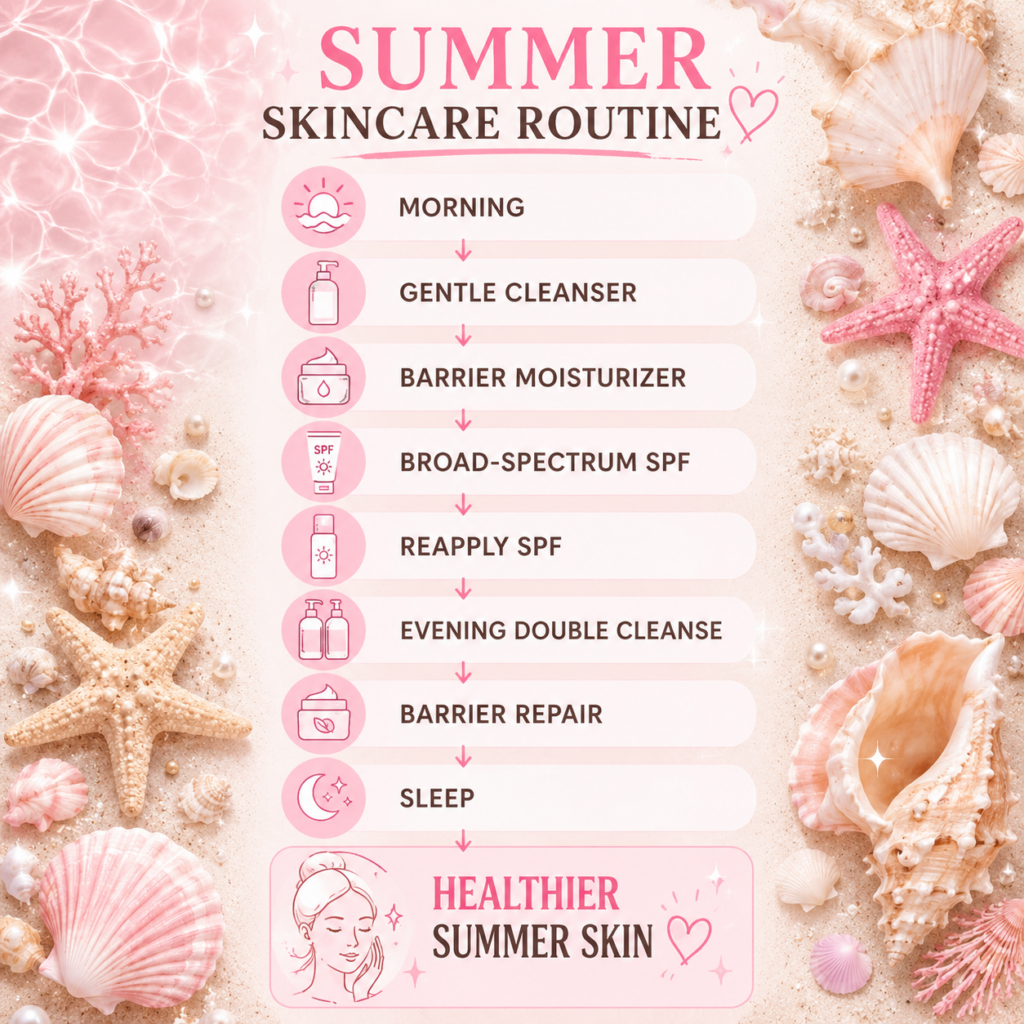
What is the secret to healthy summer skin?
Healthy summer skin is rarely the result of one product. It usually comes from several small habits repeated consistently:
- Daily broad-spectrum SPF
- Barrier support
- Gentle cleansing
- Hydration
- Sleep
- Stress management
- A simple routine you can actually maintain
Those small decisions, repeated all season long, are the ones that actually show.
Creat Your Own Summer Glow Rituals
Whether you call it a summer bucket list or simply your favorite seasonal rituals, filling your summer with small moments that make you feel calmer, happier, and more present can be just as valuable as choosing the right skincare products.
- 🌿 Take a slow morning walk before the day gets busy.
- 📚 Read a book outside instead of scrolling on your phone.
- 🌊 Spend time near water whenever you can.
- 🍓 Prepare a colorful, skin-friendly summer meal.
- 🚲 Go for a relaxing bike ride.
- 🌸 Pick fresh flowers or visit a botanical garden.
- 🧺 Have a quiet picnic in nature.
- 🌅 Watch one sunset each week without distractions.
- 📖 Write down three things you’re grateful for.
- 🤍 Make time for a simple evening skincare ritual.
Summer glow isn’t only influenced by the skincare products you use or the habits that support your inner balance and wellbeing. The foods you eat every day also play an important role in supporting healthy, glowing skin from within. If you’re curious which foods can best nourish and support your skin, explore my guide to the 10 best foods for glowing skin.
Frequently Asked Questions
Can I use retinol in summer?
Yes — but with adjustments.Retinol increases photosensitivity, which means UV exposure can cause more irritation and post-inflammatory pigmentation when you’re using it. In summer I reduce frequency to every second or third night, use a lower percentage if my skin is reactive, and treat morning SPF as completely non-negotiable. Consistent broad-spectrum protection makes retinol use in summer safe and effective.
Do I really need to reapply SPF if I’m mostly indoors?
UVA rays — the ones responsible for hyperpigmentation, fine lines, and deeper skin damage — penetrate glass. If you’re sitting near windows, driving, or spending any time near light, you’re receiving UVA exposure. Reapplication every two hours matters most during outdoor time, but a single morning application of broad-spectrum SPF is essential regardless of your day.
Why does my skin feel dehydrated in summer when it’s humid outside?
This is a barrier disruption issue, not a hydration gap. Heat, UV exposure, sweat, pool chlorine, and ocean salt all actively break down the outer skin barrier, causing moisture to escape faster than it’s retained. The result feels like dehydration but it’s actually barrier stress — which is why humectant-plus-ceramide combinations work better than drinking more water alone.
Should I switch moisturizers in summer?
Almost always, yes. Heavier creams designed for winter or dry climates can feel occlusive and congesting in summer heat and humidity. A lighter gel-cream or fluid formula with the same barrier-supporting ingredients — ceramides, hyaluronic acid, glycerin — gives your skin what it needs without the heaviness. Reserve richer textures for evenings after high-exposure days.
Is it okay to skip exfoliation in summer?
Not skip — but scale back. Heat causes low-level inflammation in the skin even without visible redness. Using a harsh physical scrub or high-percentage acid on top of that can push the barrier into disruption. Switching to a gentle enzyme exfoliant once a week maintains cell turnover without adding stress.
Does stress affect your skin in summer?
Yes. Stress can influence oil production, skin sensitivity, and inflammation. Many people notice that their skin becomes more reactive during stressful periods.
Can sleep affect how my skin looks?
Absolutely. Sleep supports skin recovery and barrier function. Consistently poor sleep often shows up as dullness, dehydration, and increased sensitivity.
What habits help support healthy-looking skin in summer?
Daily SPF, hydration, enough sleep, regular movement, stress management, and a simple barrier-supportive skincare routine all contribute to healthier-looking skin.
The Kind of Summer Skincare Routine That Actually Lasts
Healthy summer skin rarely comes from doing more.
The best summer skincare routines are usually the ones that focus on consistency, barrier support, hydration, and daily SPF protection instead of constantly adding stronger products.
Small skincare habits repeated consistently are usually what make the biggest visible difference by the end of summer.
I’d Love to Hear From You
What is one summer skincare habit you never skip? Or has one simple summer habit made a noticeable difference to your skin? Share your experience in the comments below. I read every comment and genuinely enjoy hearing what has worked for you.
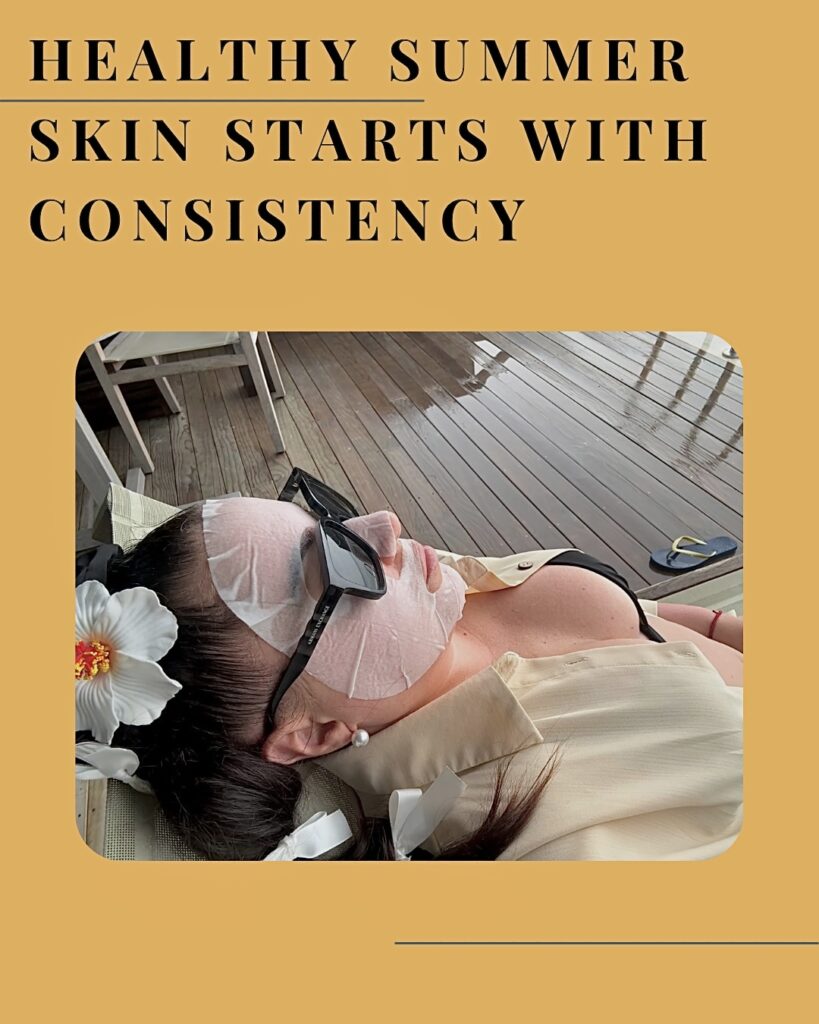
And in summer, those small decisions matter more than almost anything else.
This article may contain affiliate links. I only share products I personally use or trust.