Why Ectoin Became My Favorite Barrier-Support Ingredient
If your skin feels sensitive, dehydrated, reactive, or constantly overwhelmed by stronger skincare products, your skin barrier may need more support — not more intensity.
Many people spend months searching for stronger actives, more treatments, or faster results, only to find that their skin becomes more irritated instead of healthier. One of the biggest shifts in my own routine happened when I stopped focusing only on correction and started focusing on protection. That is when I discovered ectoin — a barrier-support ingredient that helps the skin stay hydrated, resilient, and comfortable under everyday stress.
If your goal is calmer, healthier-looking skin, it may become one of the most valuable steps in your routine.
How to Tell Whether Your Skin Is Dehydrated or Has Barrier Damage
The flowchart below can help you quickly decide whether your skin is more likely experiencing dehydration or skin barrier damage before choosing the right skincare routine.
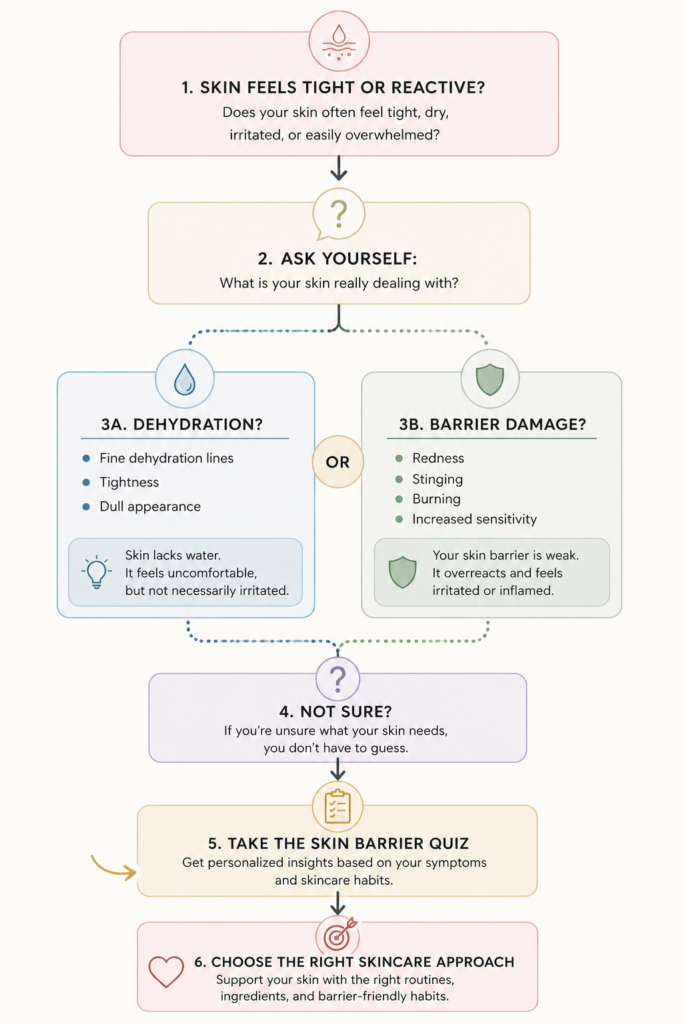
The free Skin Barrier Quiz can help you identify the most common signs based on your symptoms and routine.
What Ectoin Actually Does
Ectoin is known as a stress-protective molecule. It’s used in skincare because it helps skin cells hold onto water and defend themselves against environmental stress.
If your skin struggles with dehydration, tightness, redness, or reduced tolerance to active ingredients, these are some of the benefits ectoin may help support.
This isn’t just a marketing claim — in vivo transepidermal water loss measurements confirmed that topical ectoin strengthens skin barrier function and works as a stronger, longer-lasting moisturizer compared to glycerol, a common humectant benchmark – ScienceDirect.
If you’re unsure whether you’re dealing with dehydration or a damaged skin barrier, understanding the difference can help you choose the right approach instead of adding more products unnecessarily.
- better hydration retention
- more comfortable skin feeling
- less tightness after cleansing
- more “dense”, cushioned skin texture
- stronger barrier response during active use periods
For skin that feels stressed, sensitive, or easily irritated, barrier support often matters more than adding another active ingredient.
It’s incredibly supportive of my skin barrier, especially when I combine it with calming routines like ice water therapy.
Signs Your Skin Barrier May Need Extra Support
Your skin barrier may need additional support if you regularly experience:
| Sign | What You May Notice |
|---|---|
| Tightness after cleansing | Skin feels uncomfortable shortly after washing |
| Redness that appears easily | Skin becomes red or flushed more often than usual |
| Increased sensitivity | Products suddenly feel stronger or less comfortable |
| Dehydration lines | Fine lines appear more noticeable when skin lacks hydration |
| Stinging when applying skincare | Products that never bothered you before may start to sting |
| Reactive skin | Skin seems easily irritated by products, weather, or routine changes |
| Reduced tolerance to retinol or acids | Active ingredients cause more irritation than usual |
These signs do not automatically mean your skin barrier is damaged, but they may indicate that your skin needs more hydration, protection, and consistency.
What I Noticed After Using Ectoin Regularly
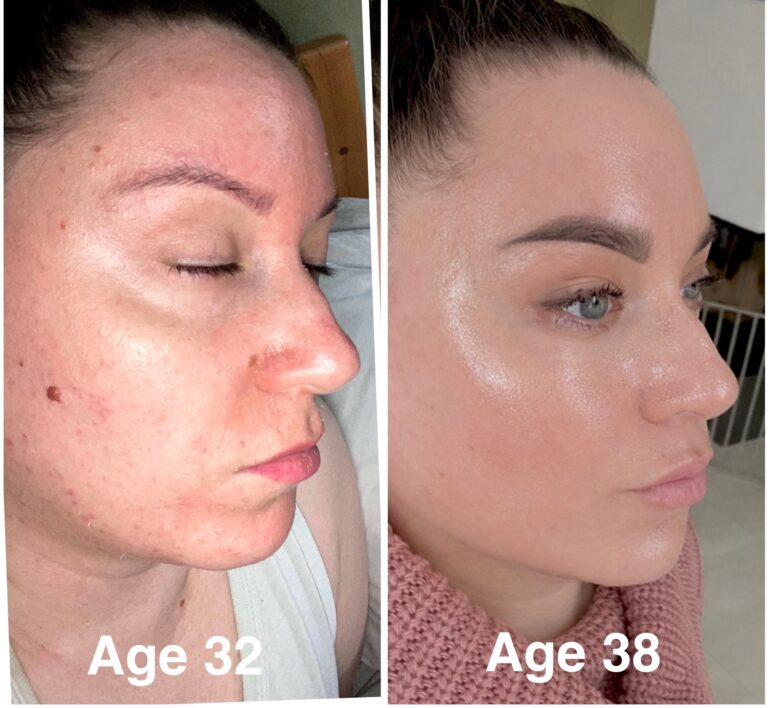
If you use retinol, exfoliating acids, or other active ingredients, ectoin can be especially helpful as part of a barrier-support routine. This wasn’t an overnight transformation. It was subtle and progressive — which I now trust more than instant results.
If your skin often reacts to weather changes, active ingredients, over-cleansing, or seasonal dryness, these improvements may sound familiar.
What I personally noticed over time:
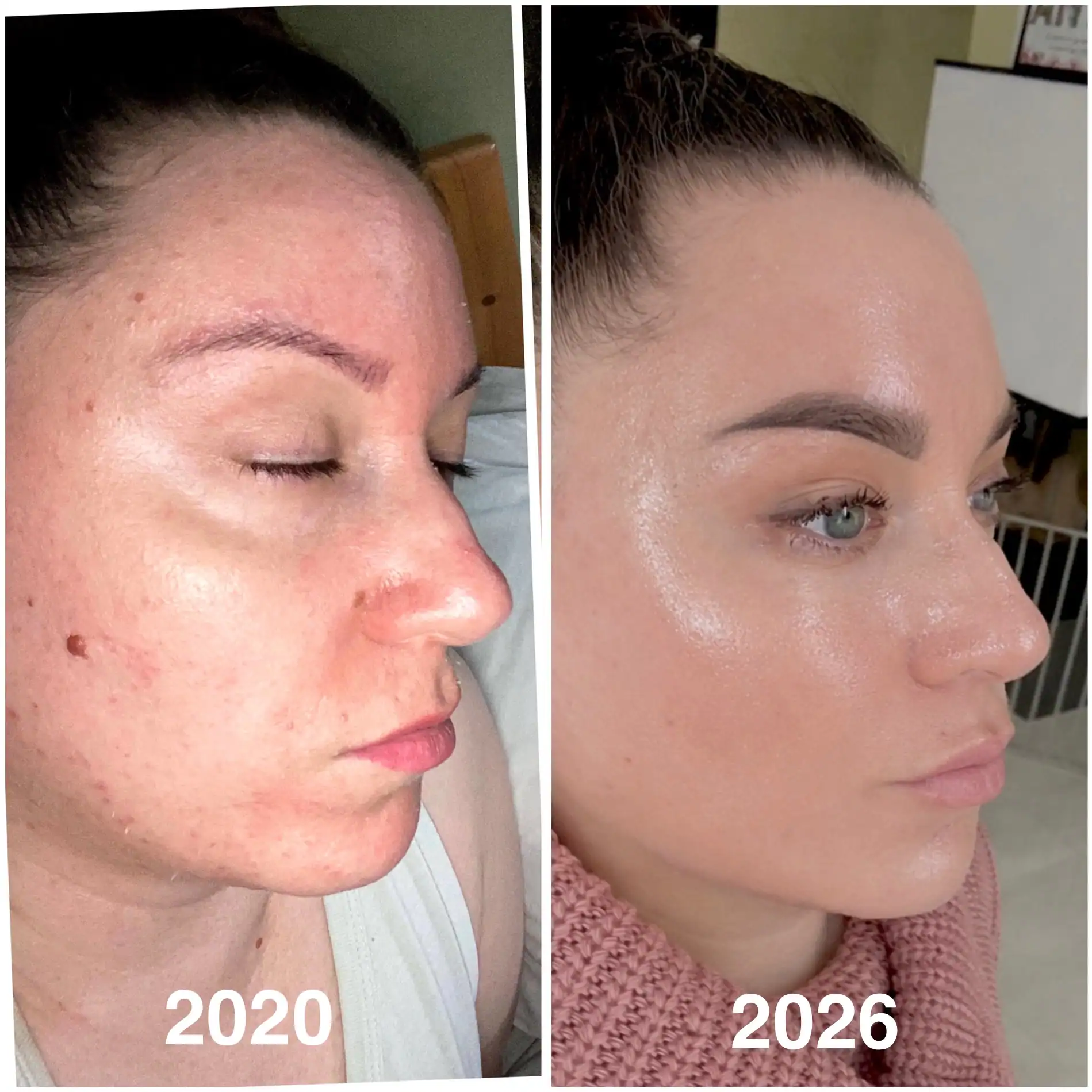
- my skin felt less reactive
- redness episodes calmed faster
- dehydration lines looked softer
- makeup sat better on my skin
- my face looked more “rested” even without heavy moisturizer layers
The biggest difference wasn’t glow, it was stability.
Why I Prefer Ectoin Over Many Hydration Ingredients
Many hydration ingredients help attract or retain moisture. What makes ectoin different is that research suggests it also helps support skin cells and strengthen the skin barrier under environmental stress.
If your skin regularly feels dehydrated despite using hydrating products, this additional barrier support can make a meaningful difference.
| Ingredient | Main Strength | Best For |
| Ectoin | Barrier support + hydration | Sensitive, stressed skin |
| Hyaluronic Acid | Water binding | Dehydrated skin |
| Ceramides | Barrier lipids | Barrier repair |
| Glycerin | Humectant | Everyday hydration |
| Panthenol | Soothing | Irritated skin |
I still like them, but ectoin feels different in experience.
I usually pair ectoin with a simple barrier-supporting moisturizer like this →
Alongside ectoin, PDRN is another standout ingredient I love using, as it exceptionally helps support tissue regeneration and skin repair.
Compared with many traditional hydrators, you may notice benefits such as:
- less surface-wet
- more deep comfort hydration
- less sticky layering
- more barrier-support focused
- more protective than just plumping
Ectoin may be especially helpful if your skin is:
- using retinol
- exposed to cold weather
- slightly over-treated
- recovering from irritation
- stressed from routine changes
Ectoin vs Hyaluronic Acid: What’s the Difference?
| Ectoin | Hyaluronic Acid |
| Supports the skin barrier | Primarily hydrates |
| Protects against environmental stress | Attracts water |
| Long-term resilience | Immediate plumping effect |
| Excellent with retinol | Excellent for dehydration |
| Can be layered with HA | Works well with ectoin |
How I Use Ectoin in My Routine
If you are new to ectoin, the easiest approach is to add it into an already simple skincare routine rather than changing everything at once.
I use ectoin in simple ways.
Morning:
- gentle cleanse
- simple hydrating toner
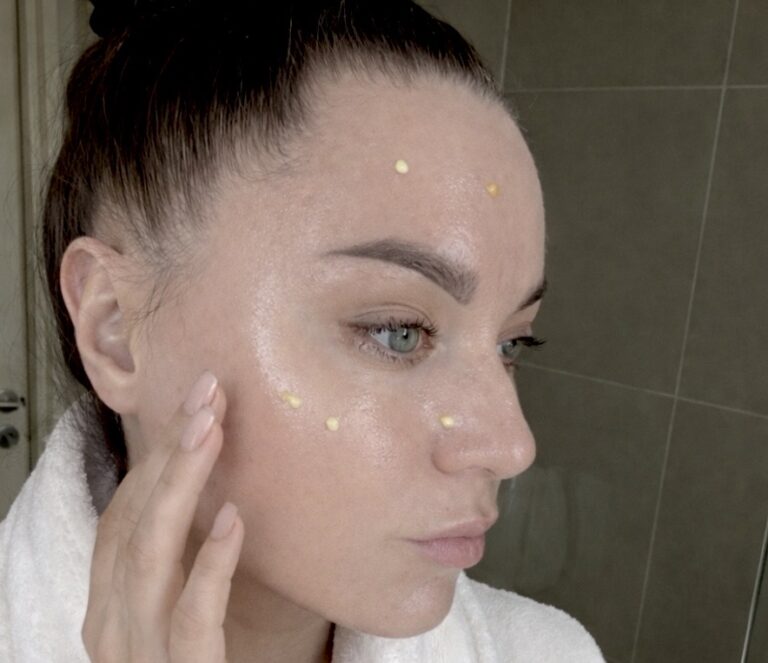
- ectoin serum or ectoin cream I personally use →
- moisturizer
- sunscreen
Evening (especially on active nights):
- cleanse
- calming toner layer
- ectoin layer first
- then actives or retinol
- then moisturizer
I like using it before stronger actives because it helps my skin tolerate them better. Not as a shield — but as support. I like using it before stronger actives because it helps my skin tolerate them better. Not as a shield — but as support. It’s built around ectoin’s barrier-strengthening action directly addressing the transepidermal water loss and barrier disruption that typically drives retinol-related irritation – INKEY ingredient guide.
If you’d like to see the skincare products I personally use and recommend, you can explore my favorites here.
Who Should Consider Ectoin?
If any of the situations below sound familiar, ectoin may be worth considering as part of your routine:
From experience and formulation logic, ectoin is great for:
| Your situation | Ectoin may be a good fit |
| Starting retinol | ✓ |
| Sensitive skin | ✓ |
| Barrier feels weak | ✓ |
| Cold weather | ✓ |
| Dehydrated skin | ✓ |
| Over-exfoliation | ✓ |
If over-exfoliation is what brought you here, ectoin can help calm things down — but it’s also worth checking whether your exfoliation frequency itself needs adjusting, especially as the seasons change. I break this down in detail in my gentle fall exfoliation guide, including a calculator to find the right frequency for your skin type.
What Ectoin Is Not
I think this matters to say clearly.
Ectoin is not:
- a miracle ingredient
- an instant glow booster
- a wrinkle eraser
- a replacement for moisturizer
- a shortcut product
If you are looking for instant transformation, ectoin will probably disappoint you.
If you are looking for healthier skin over time, stronger barrier function, and better tolerance to the rest of your routine, it becomes much more interesting. It’s a support ingredient — and support is what actually makes routines sustainable.
Frequently Asked Questions About Ectoin
Is ectoin good for a damaged skin barrier?
Ectoin may help support hydration and skin barrier function, making it a popular ingredient for skin that feels sensitive, reactive, or stressed.
Can ectoin be used every day?
Yes. Ectoin is gentle enough for both morning and evening use and is generally well tolerated by most skin types, including sensitive skin.
Is ectoin suitable for sensitive skin?
Yes. Ectoin is widely used in products designed for sensitive, reactive, or barrier-compromised skin because it helps reduce moisture loss while supporting barrier function.
Is ectoin better than ceramides?
Not necessarily. Ceramides and ectoin work differently, and many people use them together. Ceramides replenish the skin barrier, while ectoin helps protect skin cells and maintain hydration under environmental stress.
Can ectoin be used with retinol?
Yes. Many people use ectoin alongside retinol because it may help support skin comfort and reduce feelings of dryness or irritation. This is backed by clinical data: a human trial testing an ectoin-containing formula alongside retinol found it reduced retinol-induced skin flaking by roughly 67% and burning sensation by about 68% compared to retinol alone – Wiley — Dermatology Research and Practice.
Is ectoin better than hyaluronic acid?
They work differently. Hyaluronic acid primarily focuses on hydration, while ectoin may provide both hydration support and skin barrier support.
Can ectoin help dehydrated skin?
Yes. Ectoin helps skin hold onto water and may improve overall skin comfort and hydration over time.
Can you use ectoin with vitamin C?
Yes. Ectoin pairs well with vitamin C because it supports the skin barrier while vitamin C focuses on antioxidant protection and brightening.
Can ectoin be used with niacinamide?
Yes. Many routines combine ectoin and niacinamide to support hydration, barrier function, and overall skin comfort.
Can I use ectoin with PDRN?
Yes — this is actually one of the more natural pairings. Both ectoin and PDRN work toward the same goal barrier stability and skin repair. There’s no specific clinical trial testing this exact combination, but nothing about how either ingredient works suggests a conflict.
Why It Earned a Permanent Place in My Routine
If I had to choose between:
“Stronger actives” vs“better barrier support” I would now choose barrier support.
Because when my barrier is calm:
- actives work better
- irritation is lower
- results last longer
- skin looks healthier overall
Ectoin will not give you overnight results.
What it can offer is something far more valuable: a calmer, stronger, more resilient skin barrier that supports everything else you do for your skin.
This shift — choosing calm over intensity — wasn’t just about my skin. It’s part of a bigger mindset change I’ve written about in my inner balance routine, where slowing down became the thing that actually made everything else work better.
Have you tried ectoin in your skincare routine?
I’d love to hear about your experience. Let me know in the comments whether you’re currently focusing on hydration, skin barrier repair, or both. I read every comment and reply whenever possible.
If your goal is healthy glowing skin, fewer irritation cycles, and a routine that feels sustainable long term, ectoin is one of the ingredients worth adding to your skincare routine.
This article may contain affiliate links. I only share products I personally use or trust.