LED Light Therapy Results After 8 Weeks of Consistent Use
If your skin feels reactive, tired, breakout-prone, or easily overwhelmed, you may have wondered whether LED light therapy is actually worth trying.
Many people see LED masks everywhere but still feel unsure whether they truly help or are simply another skincare trend.
I felt exactly the same way before I started using one consistently. What surprised me most was not dramatic overnight change — it was how well LED therapy fit into a calm, barrier-supportive skincare routine over time.
What results can you expect from LED light therapy after 8 weeks?
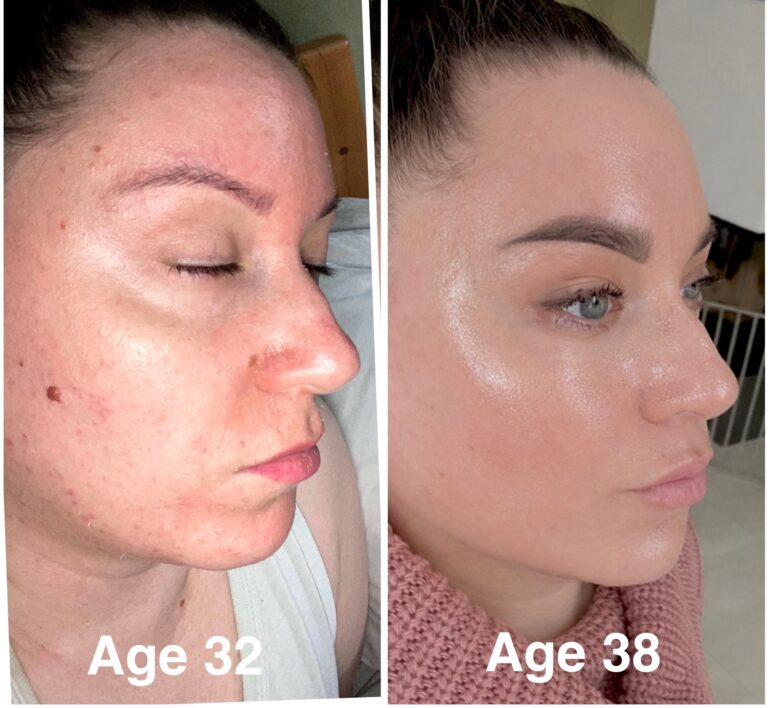
After eight weeks of consistent LED light therapy, many people notice calmer-looking skin, fewer breakouts, improved recovery after blemishes, and a more even-looking complexion. Results are usually gradual rather than dramatic, which is why consistency matters more than intensity.
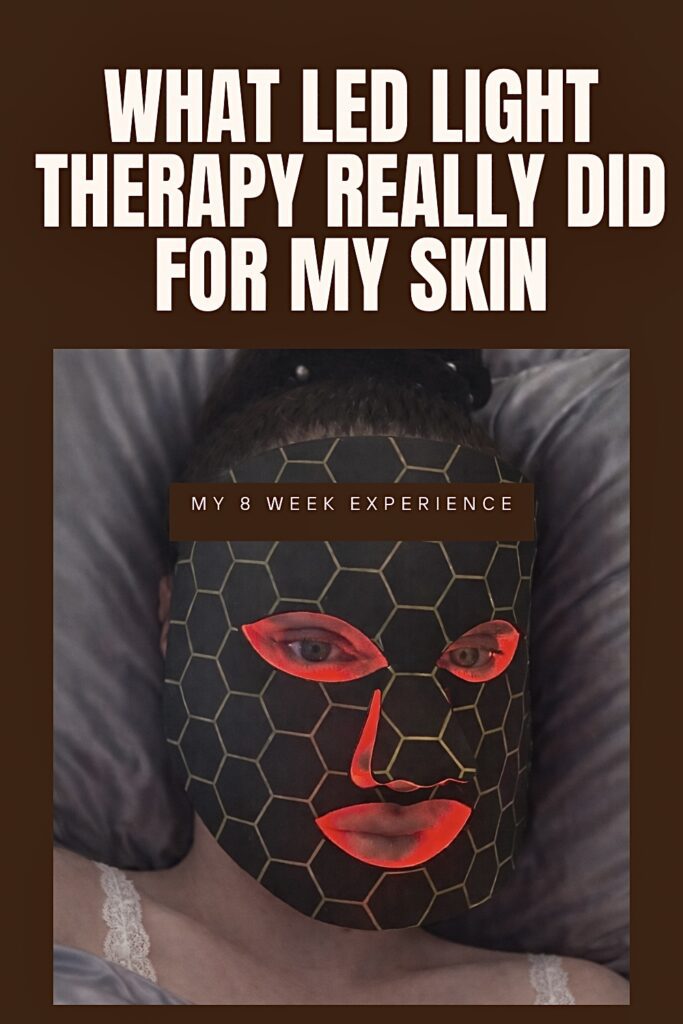
My LED Light Therapy Results After 8 Weeks
After using an LED mask consistently for around eight weeks, these were the changes I noticed most:
- calmer-looking skin overall
- fewer inflammatory breakouts
- faster post-breakout recovery
- more even-looking skin tone
- less visible redness fluctuation
- skin that looked more rested and balanced
The improvements were gradual rather than dramatic.
How LED Light Therapy Fits Into My Routine
If your skin gets overwhelmed easily, keeping LED light therapy simple and consistent usually works much better than overusing it. In the same review, LED devices produced roughly a 45% improvement in acne lesions compared to control conditions, with the biggest gains showing up after four to twelve weeks of regular use — almost exactly the eight-week timeline this article covers – The Dermatology Digest.
Does your skin respond better to gentle support or aggressive treatments?
Many people assume stronger treatments create better results.
However, your skin may respond better to consistency, recovery, and barrier support than constant intensity.
The goal is not to force faster results, but to support your skin in a way that feels sustainable, comfortable, and realistic long term.
I usually use my LED mask twice a week in the evening, after cleansing and before applying serum or moisturizer.
This is the LED mask I use (or a very similar one) →
My pattern is simple:
| Step | What I Do |
| Step 1 | Gentle cleansing |
| Step 2 | LED light therapy session |
| Step 3 | Hydrating serum or toner |
| Step 4 | Barrier-support moisturizer |
| Step 5 | No aggressive actives afterward |
I treat LED therapy as a calm support step — not an aggressive treatment step.
Is LED light therapy safe for sensitive skin?
If your skin barrier feels reactive or easily overwhelmed, LED therapy is often one of the gentler skincare tools available. However, introducing it slowly and avoiding aggressive exfoliation on the same day usually produces the best experience. Dermatologist Dr. Paul Benedetto, writing for Cleveland Clinic, notes that blue light is generally considered a gentle, non-invasive option — though he still recommends professional guidance before starting, since not every skin type or condition responds the same way.
The Two LED Light Colors I Use Most Often
Most LED masks include several light options, but I personally found myself consistently returning to two settings the most.:
Red light — my favorite
If your skin feels tired, less firm, dull, or you want more long-term collagen support, red light is usually the best starting point. This lines up with how Harvard Health describes red light therapy working: it’s believed to stimulate mitochondria within skin cells, which helps reduce inflammation and boost collagen production — the structural protein that keeps skin firm and resilient.
Many people use red light for:
• fine lines and firmness support
• collagen support
• redness reduction
• recovery-focused skincare routines
Red light became my preferred setting during periods when my skin looked dull, tired, or stressed.
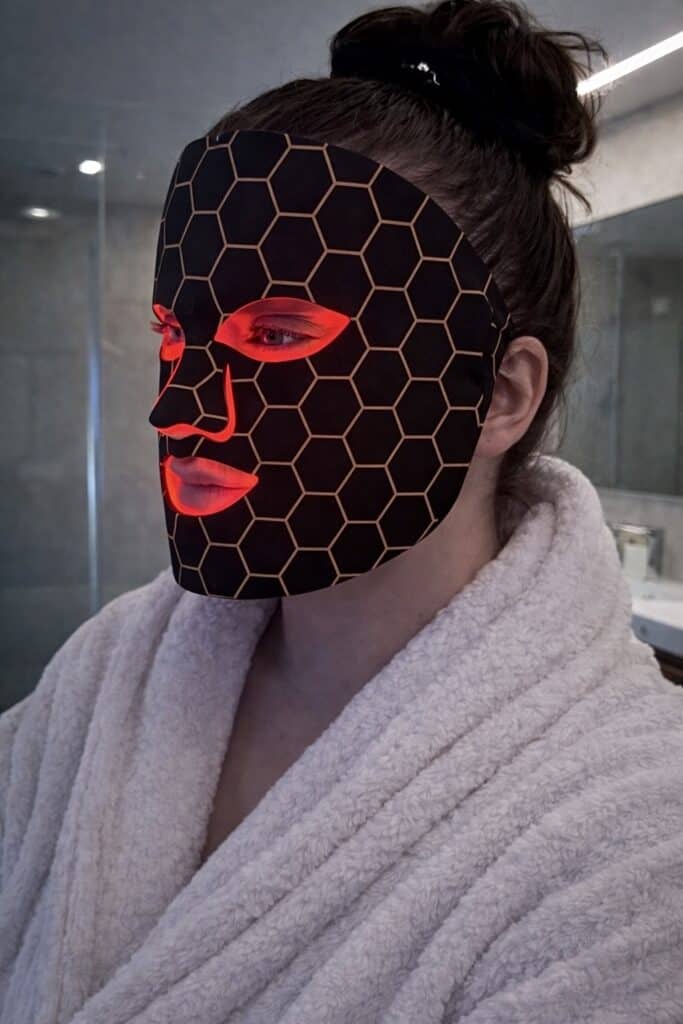
What I personally notice with regular red light use:
- calmer overall look
- more even tone feeling
- better post-breakout recovery
- skin looks less “tired”
Results are not instant, but the support becomes easier to notice over time.
How long does red light therapy take to show results?
Most people notice subtle improvements rather than dramatic changes. However, consistent use over several weeks often produces better results than using LED therapy aggressively for a short period.
Blue light — my breakout support mode
If your skin is acne-prone, congested, or you often notice inflamed breakouts forming under the surface, blue light is usually the most targeted option. Harvard Medical School dermatology experts explain that blue LED light is most often used for acne because it may reduce activity in the sebaceous glands, meaning less of the oil that clogs pores — and it may also help kill acne-causing bacteria.
It is commonly used for:
• acne-prone skin
• breakout support
• oilier skin types
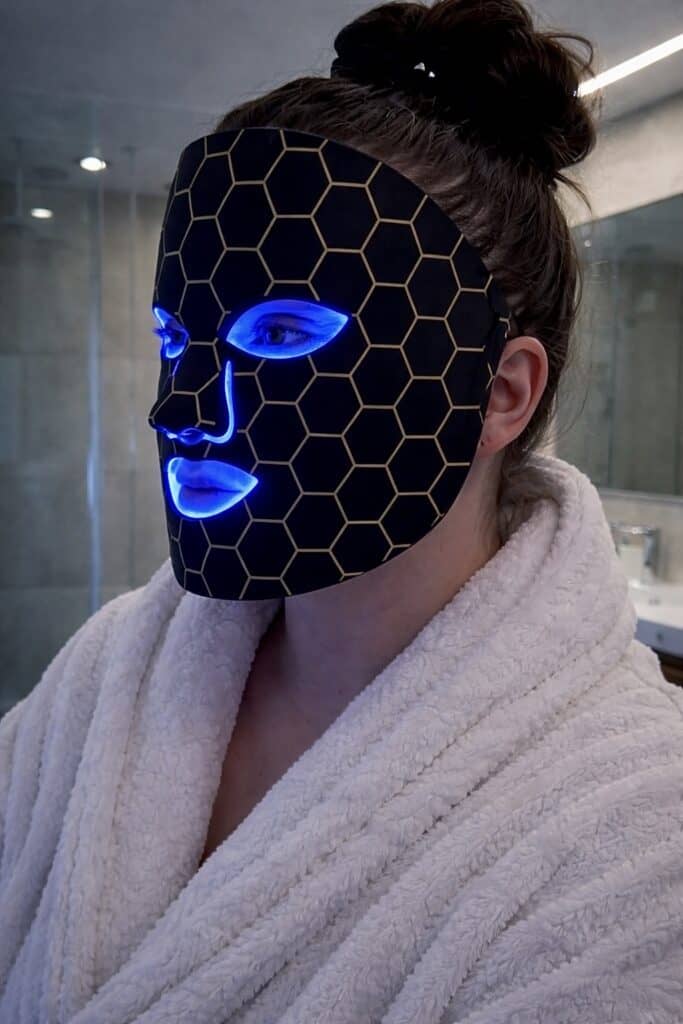
Blue light is commonly used for acne-prone skin support because it targets acne-related bacteria on the skin surface.
In my experience:
- helpful during breakout periods
- good as a preventive session
- works best when used early — not when inflammation is already severe
Can blue light therapy prevent breakouts?
Blue light is commonly used in routines designed to support acne-prone skin. While it is not a replacement for a complete skincare routine, many people find it most useful as an early support tool before breakouts become more inflamed. A systematic review published in JAMA Dermatology, led by researchers at Mass General Brigham, analyzed six randomized controlled trials and found that at-home red and blue LED devices produced a significant, measurable reduction in both inflammatory and non-inflammatory acne lesions.
Which LED Light Color Is Right for Your Skin?
LED Light Therapy Recommendation Calculator
Not sure which LED light color may best suit your skin goals? Answer the five questions below to receive a personalized recommendation.
Which LED light color should you choose?
Red light supports collagen, firmness, fine lines, recovery, and overall healthy skin aging.
For acne-prone or breakout-prone skin, blue light can help target acne-related bacteria and support clearer-looking skin.
Green light may be useful when your routine focuses on uneven tone, post-acne marks, pigmentation concerns, or dull-looking skin.
Yellow light often works well in calming routines for visible redness, irritation-prone skin, and sensitivity.
Amber light offers a similar soothing focus and may suit stressed, reactive, or easily flushed skin.
Near-infrared light reaches deeper beneath the surface and can support recovery-focused or barrier-supportive routines.
Purple light combines red and blue wavelengths, so it is often chosen for blemish-prone skin that also needs recovery support.
Cyan light appears in some multi-color LED devices and is usually used as a gentle calming support option for stressed or dehydrated skin.
| Timeframe | What You May Notice |
| Weeks 1-2 | Skin feels calmer and more supported |
| Weeks 3-4 | Less visible redness and better recovery |
| Weeks 5-6 | More even-looking tone |
| Weeks 7-8 | Healthier-looking skin and improved consistency |
What LED Mask Is Good For — Realistically
Is LED Light Therapy Worth It?
LED light therapy is usually most worthwhile for people looking for gradual skin support rather than dramatic overnight change.
If you expect overnight transformation from LED light therapy, you will probably end up disappointed.
| Skin Concern | LED Light Most Commonly Used |
| Fine lines | Red light |
| Collagen support | Red light |
| Skin firmness | Red light |
| Dull-looking skin | Red light |
| Acne | Blue light |
| Breakout prevention | Blue light |
| Excess oil | Blue light |
| Redness | Yellow / Amber |
| Sensitive skin | Yellow / Amber |
| Reactive skin | Yellow / Amber |
| Uneven skin tone | Green light |
| Post-acne marks | Green light |
| Pigmentation concerns | Green light |
| Barrier recovery | Near-infrared |
| Skin resilience | Near-infrared |
| Recovery-focused routines | Near-infrared |
| Acne + recovery support | Purple light |
| General calming support | Cyan light |
In practice, from my experience, LED masks are best for:
- support, not rescue
- maintenance, not emergency
- calming routines
- breakout-prone periods
- recovery phases
- barrier-friendly routines
LED light therapy usually works best when it is used consistently, used gently, not combined with aggressive treatments the same day, treated as support — not as a replacement for good skincare basics.
As you saw above, I personally use a simple LED mask that fits my routine well.
But if you’re looking for a more advanced device with more features, you can check one here →
What LED Light Therapy Probably Won’t Do
LED light therapy is probably not going to give you:
• instant acne and wrinkle correction
• dramatic transformation after a few sessions
• replacement for consistent skincare basics
What it gives instead is calmer, steadier long-term support — and I prefer that now.
This is also one of the reasons I became interested in skin longevity.
Instead of constantly chasing faster results, skin longevity focuses on supporting your skin in ways that help it stay healthy, resilient, and balanced over time.
If you’re interested in the daily habits that support long-term skin health, you may also enjoy my guide on skin longevity. Read my Skin Longevity guide here →
My Personal LED Light Therapy Safety Rules
My personal rules:
- never on irritated or broken skin
- not after strong exfoliation nights
- clean skin only
- follow device time limits
- eye protection if device recommends it
- no overuse
In fact, more is not better here, regular is better.
Can you use LED light therapy every day?
Most at-home devices are designed for several sessions per week rather than excessive daily use. Following the manufacturer’s recommendations is usually more effective than trying to accelerate results through overuse.
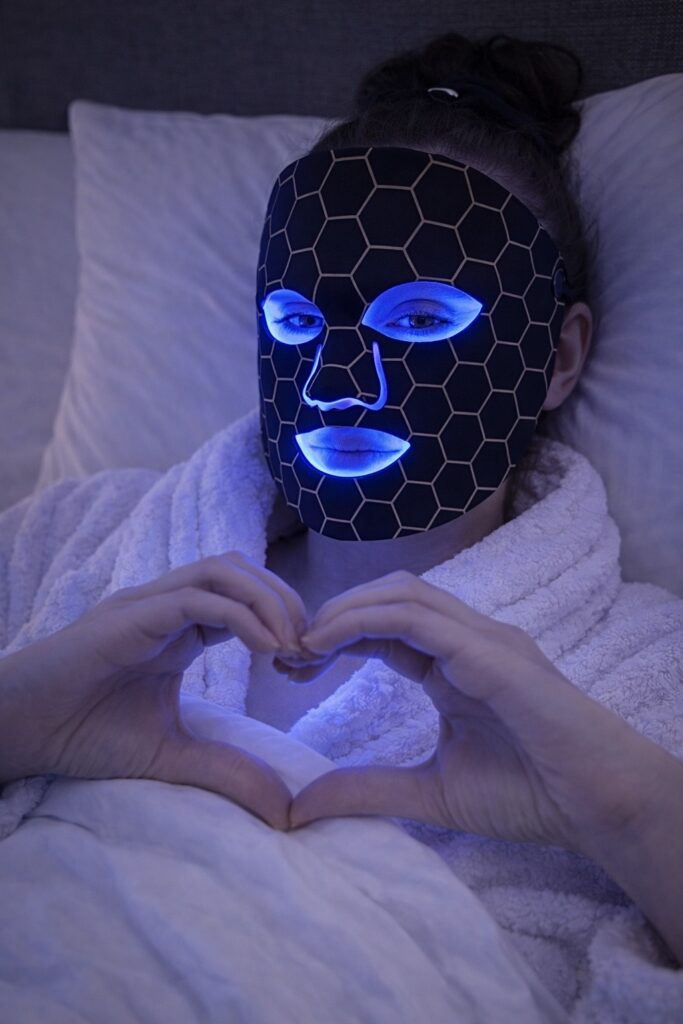
I also like alternating LED sessions with calming routines like ice water therapy in my weekly skincare rhythm.
What makes LED light therapy effective?
LED light therapy works differently from aggressive treatments. Instead of forcing rapid change, it supports your skin gradually through consistency and repetition.
If your skin responds best to calm, low-stress routines, LED therapy may fit naturally into the kind of skincare approach that supports long-term skin health.
When Should You Avoid LED Light Therapy?
LED therapy may not be appropriate if:
• your skin is currently broken or severely irritated
• you have a photosensitivity disorder
• you use medications that increase light sensitivity
• your dermatologist has advised against light-based treatments
When in doubt, consult a qualified healthcare professional before starting any light therapy device.
Can LED Light Therapy Replace Skincare Products?
No. LED light therapy works best as a support tool rather than a replacement for skincare basics.
Frequently Asked Questions
What LED light color is best for sensitive or irritated skin?
Yellow or amber light is usually considered one of the gentlest LED support settings. Many people use it in calming skincare routines focused on: visible redness, sensitive skin support, irritation-prone skin, recovery-focused skincare.
Can LED light therapy help acne-prone skin?
Yes — especially blue light therapy. Blue LED light is usually the most targeted option because it is commonly used to support acne-related bacteria control.
Which LED light color is best for wrinkles and collagen support?
Red light is usually the best choice for fine lines, collagen support, firmness, or a more rested-looking complexion. Tired, dull, or less resilient over time, red light therapy is commonly used to support: collagen production, skin recovery, redness reduction, smoother-looking skin texture.
How often should you use an LED mask?
For most people, consistency matters much more than overuse. Most at-home LED masks are commonly used around 2–4 times per week for short sessions. For sensitive or reactive skin, starting slower — even once or twice a week — is usually the better approach. Trying to force faster results with very long or very frequent sessions often leads to irritation instead of better progress.
How long does it take to see results from LED light therapy?
Most people notice subtle improvements within several weeks of consistent use. More noticeable changes often appear after six to twelve weeks, depending on the device, frequency of use, and individual skin concerns.
Final thoughts
For me, the biggest difference came from treating it as quiet support instead of expecting dramatic overnight results ,and this may be helpful if your skin also responds better to gentle, low-stress routines, LED light therapy may be one of those calming support tools worth introducing slowly and consistently. You do not need to force faster results to support healthy skin.
Whether you’re already using red light, blue light, or simply researching LED masks for the first time, your experience and skin goals are unique.
I’d love to hear about your experience, your skin concerns, or any questions you still have.
Leave a comment below and tell me what you’re hoping LED therapy might help support in your routine. I read every comment and do my best to help whenever I can.
This article may contain affiliate links. I only share products I personally use or trust.